Tooth-coloured Fillings
Tooth-coloured fillings use a material matched to the appearance of natural teeth to restore areas affected by decay or damage when suitable.



Understand the options before deciding on treatment.

A dental assessment helps clarify what is suitable, what the treatment can achieve and what care may be needed afterwards.
Tooth-coloured Fillings in London at Fresh Dental.
Repair while preserving appearance
A tooth-coloured filling restores part of a tooth affected by decay or damage. The dentist removes the affected tissue where needed, prepares the area and places a restorative material designed to blend with the natural tooth. Whether a filling is suitable depends on the size and position of the damaged area and the remaining strength of the tooth.
At an appointment, the dentist examines the tooth and explains the recommended treatment. Depending on the extent of the damage, a filling may be appropriate, while a more extensive restoration may be needed if the tooth has lost substantial structure. Your dentist should discuss the options, benefits, limitations and any relevant costs before treatment.
After a filling, follow the advice you are given about eating, cleaning and any temporary sensitivity. Continue brushing twice daily with fluoride toothpaste and cleaning between your teeth. Contact your dental team if pain persists, your bite feels uneven or the filling chips or comes loose.

Problems fillings can help address.
Teeth with suitable areas of decay or damage. Whether a filling is suitable depends on the size and position of the damaged area and the remaining strength of the tooth.
 Step 01
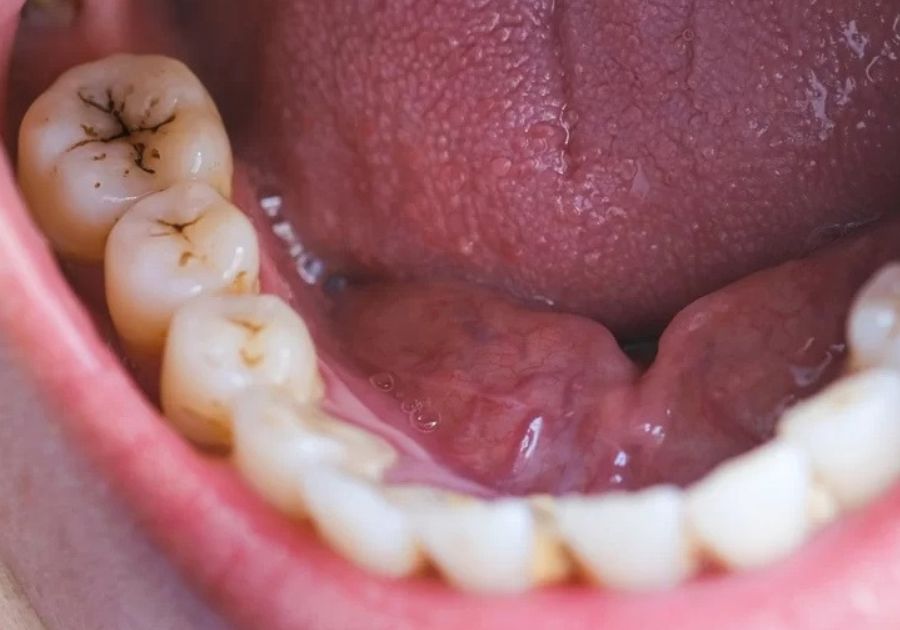
Suitable decay or damage
A tooth-coloured filling restores part of a tooth affected by decay or damage when the area and remaining tooth structure are suitable for this approach.
 Step 02
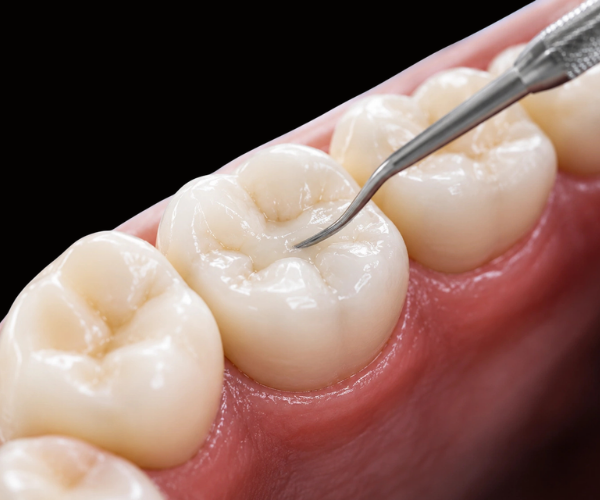
Preserve appearance
A restorative material is placed into a prepared area to repair suitable cavities or small areas of damage, designed to blend with the natural tooth.
 Step 03
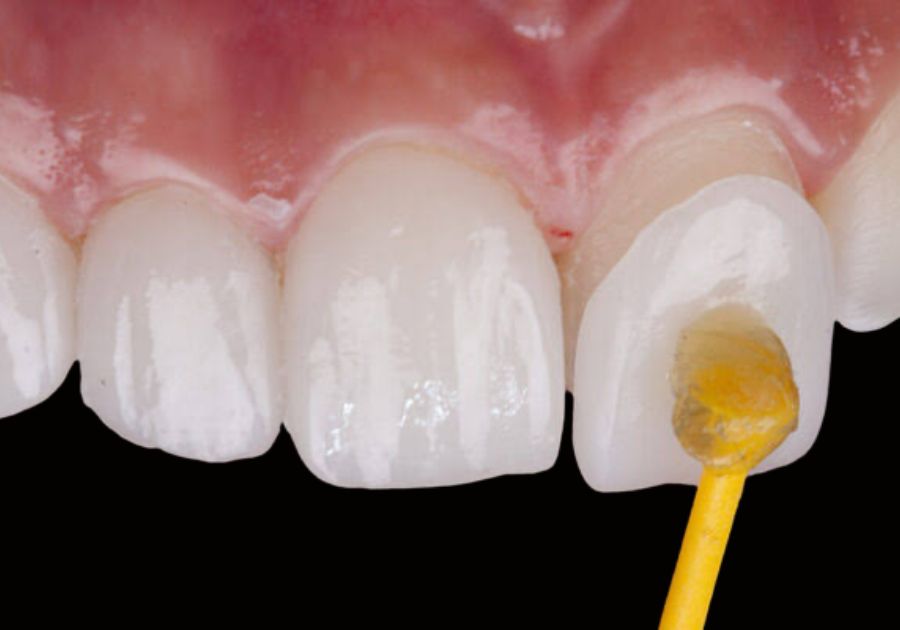
When a filling may not be enough
Where damage is too large for a predictable filling, another restoration may be needed to protect the remaining tooth.
 Step 04
After the restoration
Continue brushing twice daily with fluoride toothpaste and cleaning between your teeth. Contact your dental team if pain persists, your bite feels uneven or the filling chips or comes loose.
Common questions
Questions about this treatment
These answers cover common considerations. Your own suitability and treatment plan should be discussed with a dental professional.
They are designed to blend with the tooth, although an exact match can depend on shade, position and the condition of the surrounding tooth.
This varies with the size and position of the filling, biting forces, oral hygiene and other factors. A filling may need repair or replacement over time.
If a tooth has lost a substantial amount of structure, a larger restoration may be more suitable. Your dentist can explain the options after examining it.
Some temporary sensitivity can occur. Contact your dental team if it is severe, persists, worsens or your bite feels uneven.
Need advice for your situation? Ask about suitability, alternatives, aftercare and the likely costs before making a decision.