Invisalign
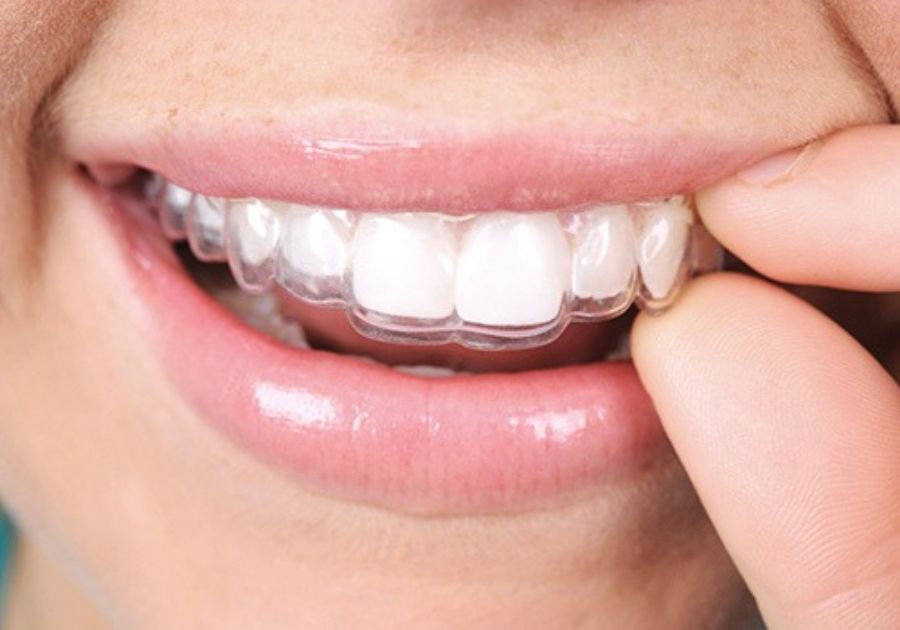
Invisalign uses a sequence of clear, removable aligners to move teeth gradually. An assessment determines whether this approach suits your bite and alignment needs.



Understand the options before deciding on treatment.
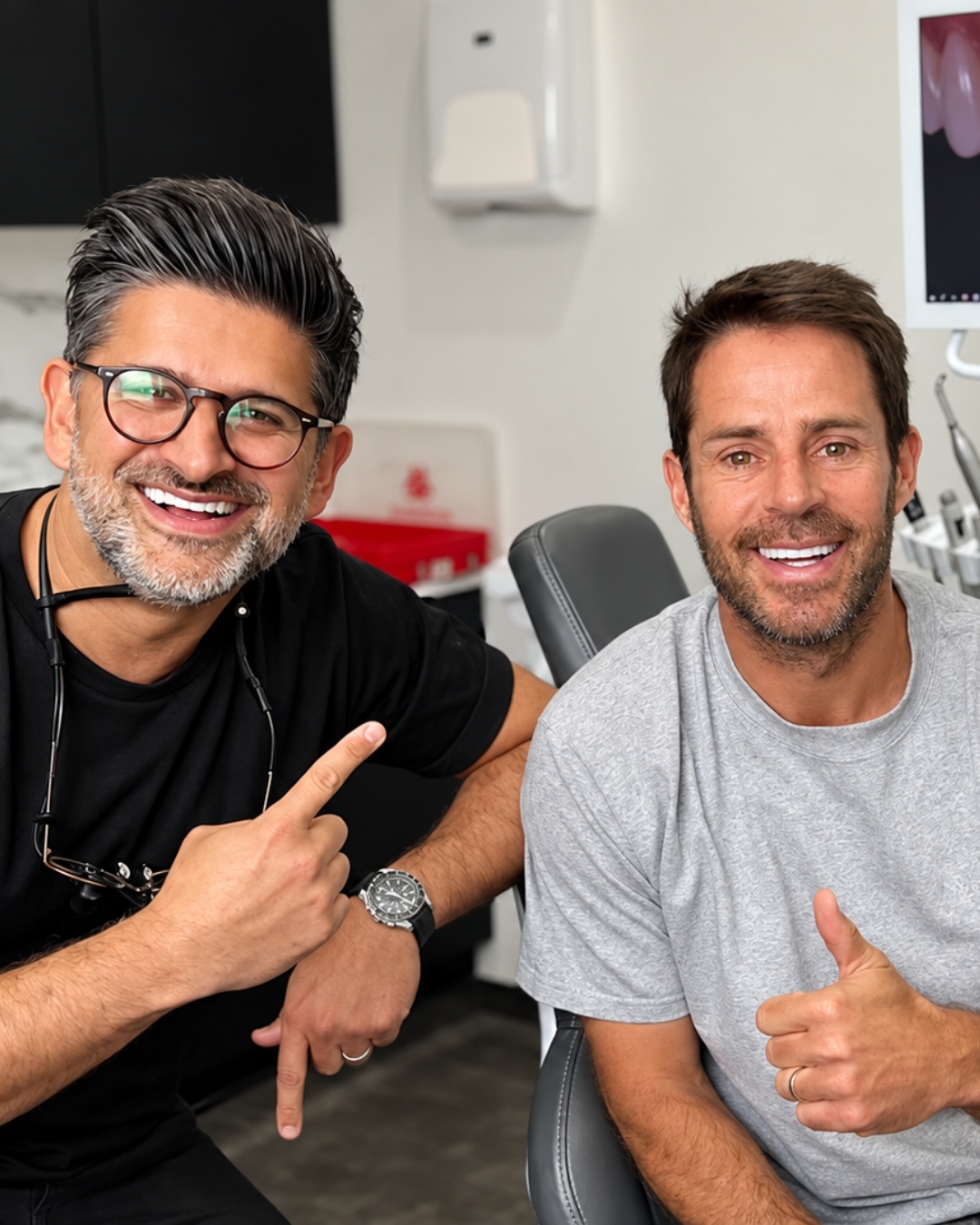
A dental assessment helps clarify what is suitable, what the treatment can achieve and what care may be needed afterwards.
Invisalign in London at Fresh Dental.
A discreet approach to alignment
Clear aligner treatment uses a series of transparent, removable trays designed to move teeth gradually. Each aligner is worn according to the treatment plan before progressing to the next. The movements that can be achieved depend on tooth position, bite, the complexity of the case and how consistently the aligners are worn.
An assessment is needed to decide whether aligners are suitable and to plan the intended movements. Your clinician should explain the likely stages, the expected commitment, possible limitations and any alternatives.
Freshdental is a platinum provider of Invisalign, which means we treat 60 or more people every six months in order to maintain our platinum status.
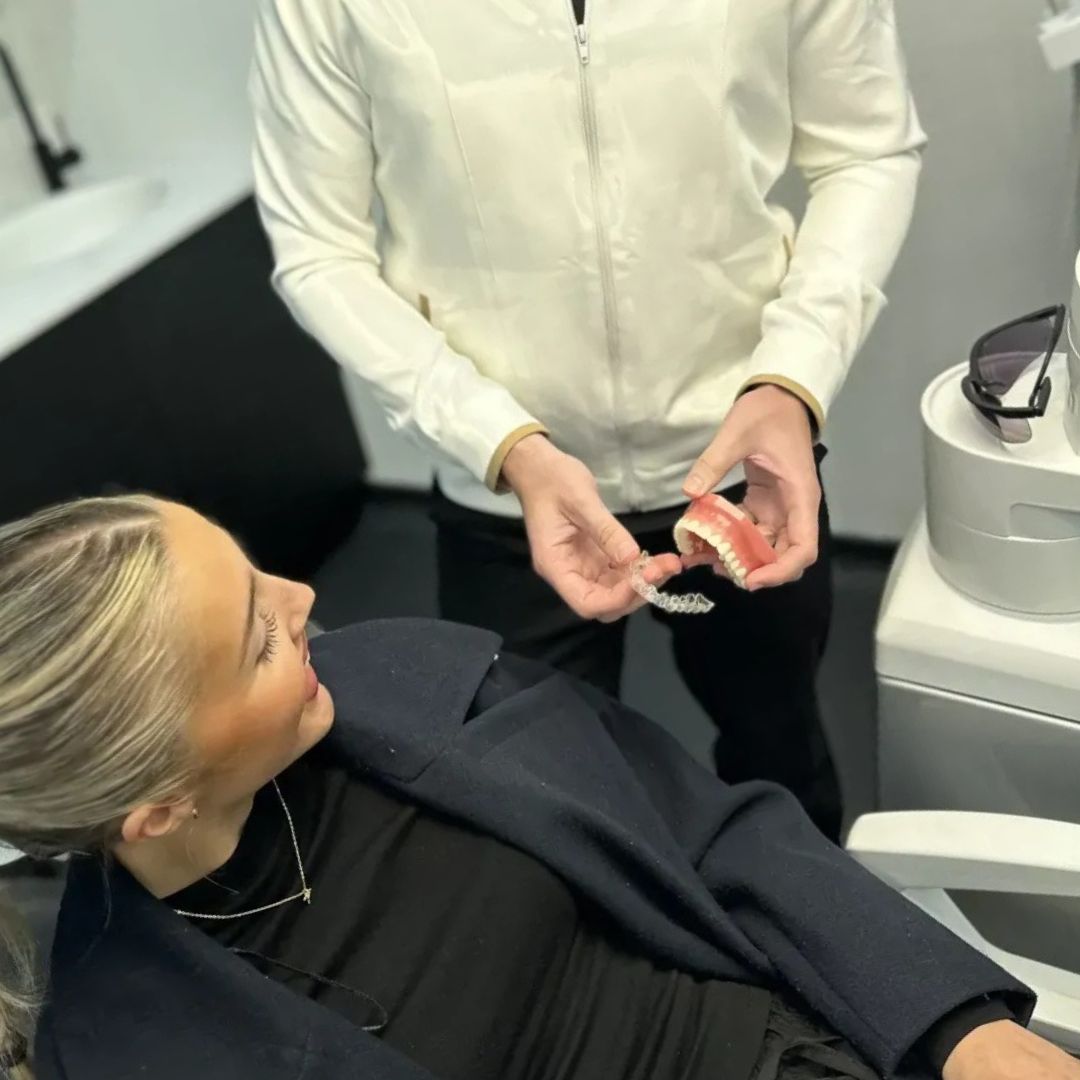
Problems clear aligners can help address.
Suitability depends on tooth position, bite, case complexity and how consistently aligners can be worn. An assessment clarifies what is realistic for you.
 Step 01
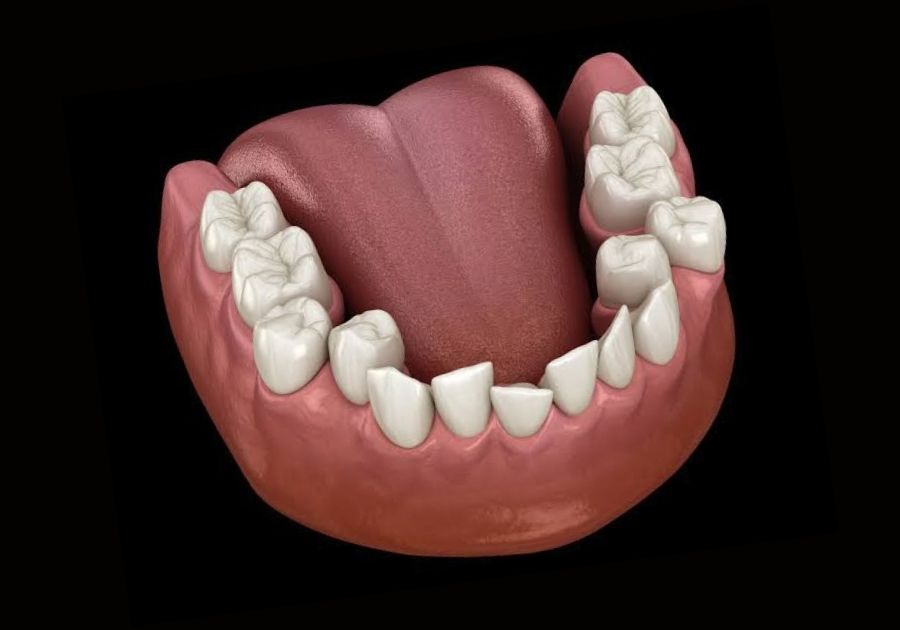
Alignment concerns
For suitable alignment concerns where clear aligners may be an appropriate way to guide tooth movement gradually.
 Step 02
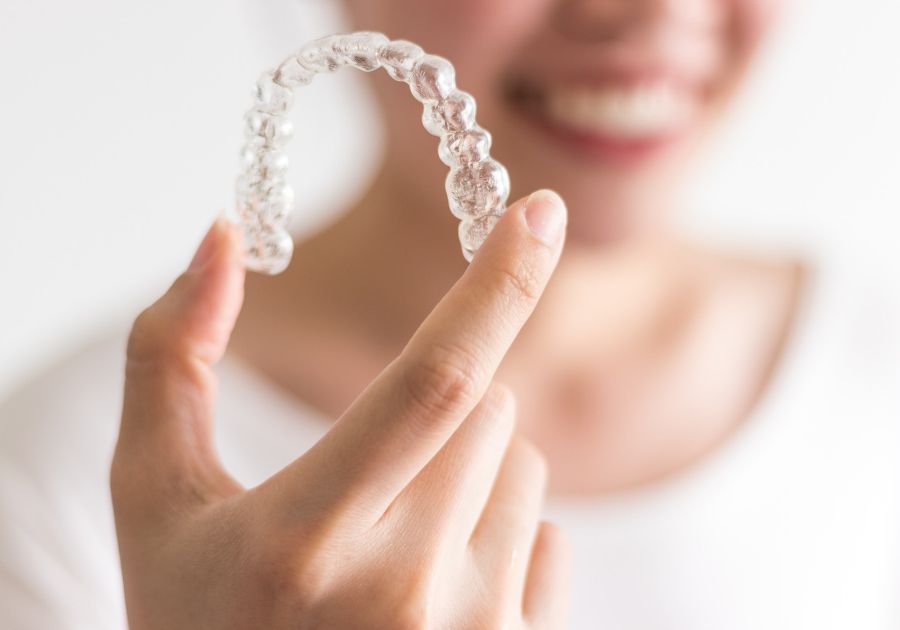
Prefer removable trays
When removing trays for meals and cleaning is important, and you can commit to wearing aligners for the prescribed time.
 Step 03
Planned, gradual movement
When a sequenced plan is needed so each aligner applies controlled pressure before progressing to the next stage.
 Step 04
Retention afterwards
When retaining the result after active movement matters , retainers are commonly recommended to help keep teeth in their new position.
Common questions
Questions about this treatment
These answers cover common considerations. Your own suitability and treatment plan should be discussed with a dental professional.
No. Suitability depends on the complexity of tooth movements and your bite. Some cases may be better managed with another orthodontic approach.
Follow the wear schedule provided by your clinician. Aligners need consistent wear to achieve the planned movements; removing them too often may affect progress.
Aligners are generally removed for meals. Follow the instructions provided and clean your teeth before putting them back in.
Retainers are commonly recommended after active orthodontic treatment because teeth can move over time. Your clinician will explain the appropriate retention plan.
Need advice for your situation? Ask about suitability, alternatives, aftercare and the likely costs before making a decision.