Ceramic Veneers
Ceramic veneers are thin, custom-made restorations placed on the front surfaces of selected teeth to change aspects of their appearance.



Understand the options before deciding on treatment.
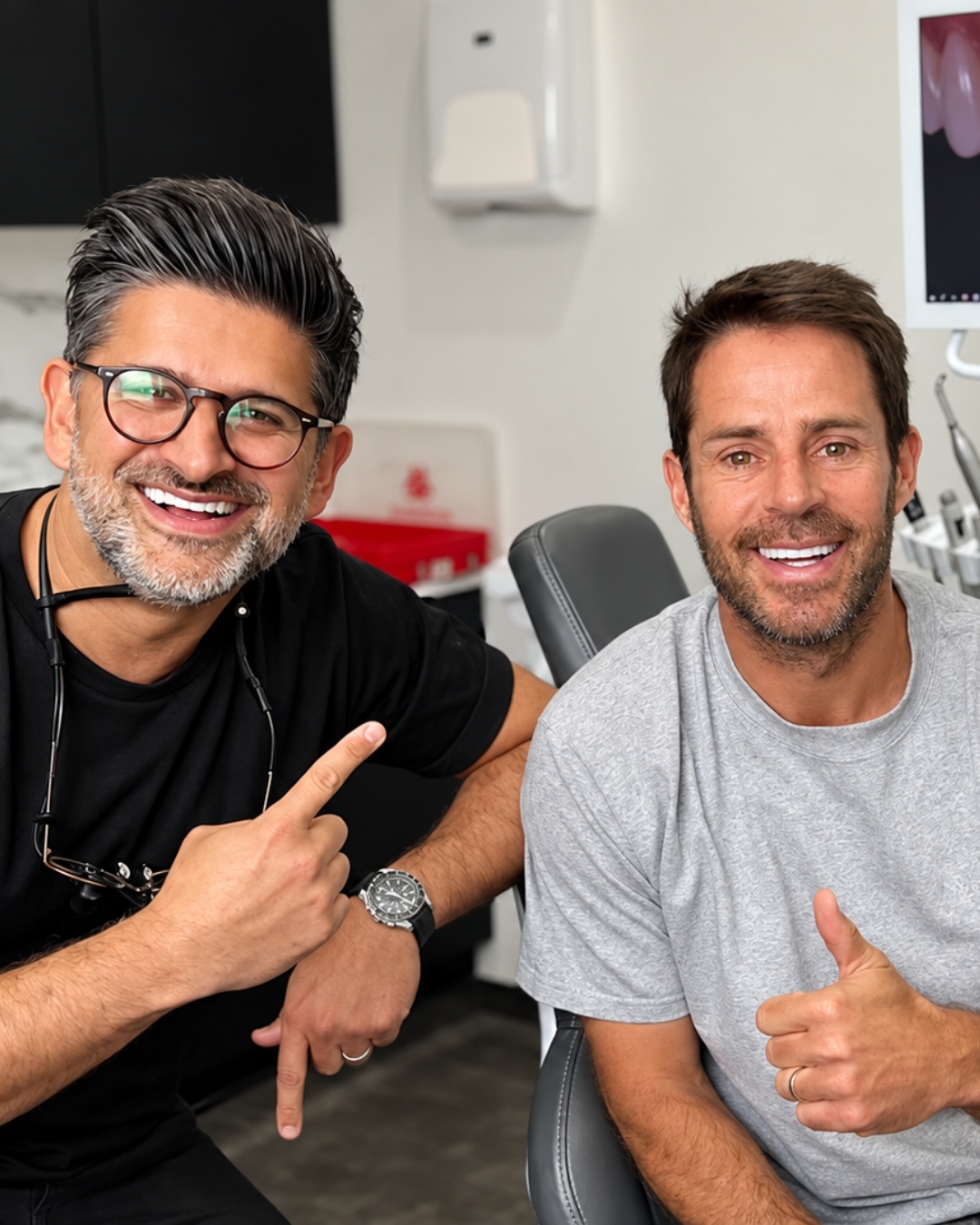
A dental assessment helps clarify what is suitable, what the treatment can achieve and what care may be needed afterwards.
Ceramic Veneers in London at Fresh Dental.
A considered cosmetic option
Ceramic veneers are thin restorations designed to cover the front surface of a tooth. They may be considered where someone wants to change aspects of tooth colour, shape, size or the appearance of small irregularities. Suitability depends on the condition of the teeth, the bite, gum health and the result being sought.
Veneers require careful planning because tooth preparation may be needed and some changes can be irreversible. A dentist should explain the proposed design, how much tooth structure may need to be altered, the limitations of the treatment and alternative options. Veneers do not remove the need for good oral hygiene or regular dental examinations.
Ceramic restorations can chip or become damaged, and they may need repair or replacement over time. Habits such as biting hard objects or grinding teeth can affect their lifespan. Before deciding, discuss maintenance, likely costs, risks and whether a less invasive approach could meet your goals.

Problems veneers can help address.
Selected cosmetic changes to visible teeth. Suitability depends on the condition of the teeth, the bite, gum health and the result being sought.
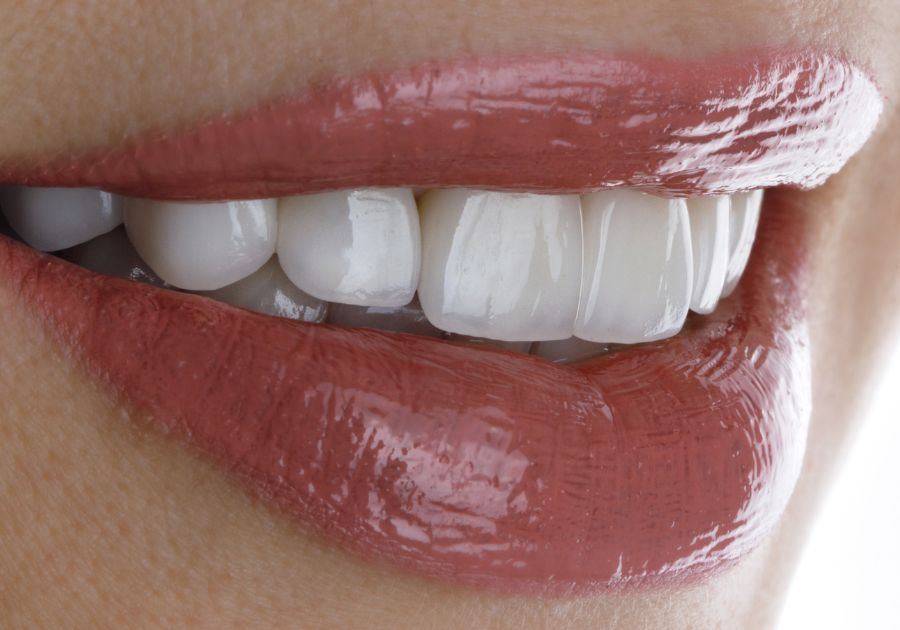 Step 01
Colour, shape or size
They may be considered where someone wants to change aspects of tooth colour, shape, size or the appearance of small irregularities.
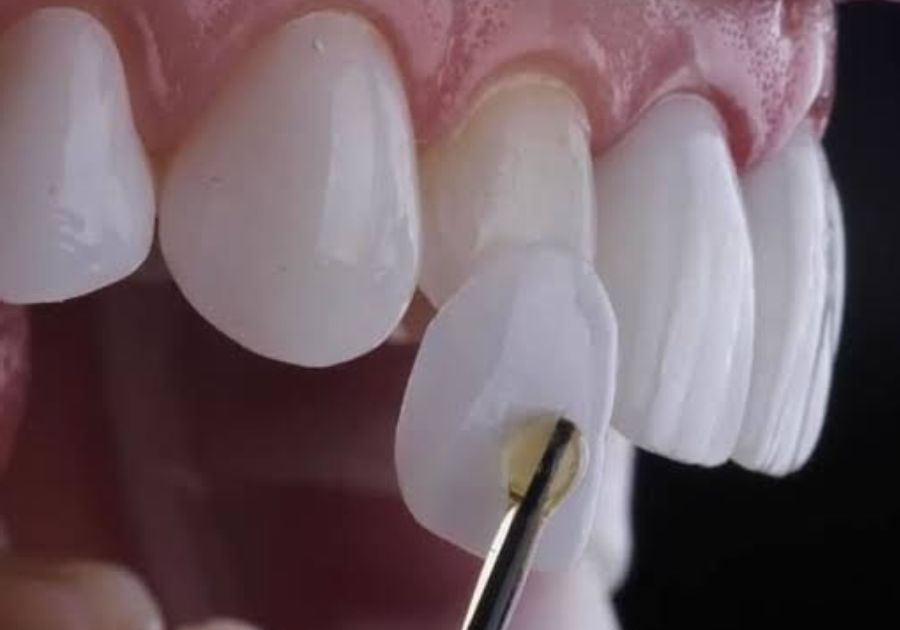 Step 02
Visible irregularities
Custom-made ceramic shells can alter the visible surface of selected teeth where the teeth and bite are suitable.
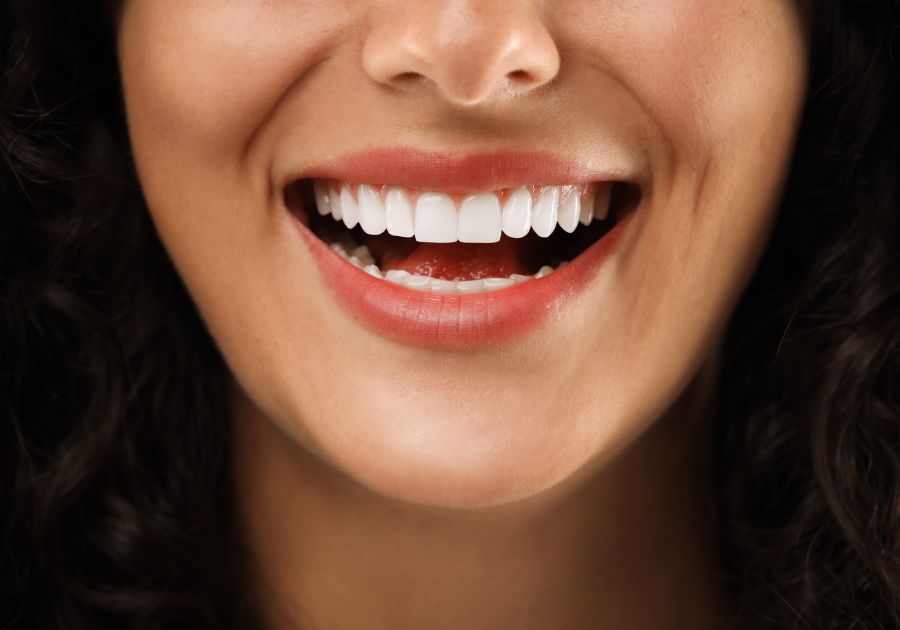 Step 03
When bonding may not suit
Tooth-coloured resin can be shaped directly onto selected teeth and may suit some smaller changes. Where a ceramic approach is preferred, planning should compare the options.
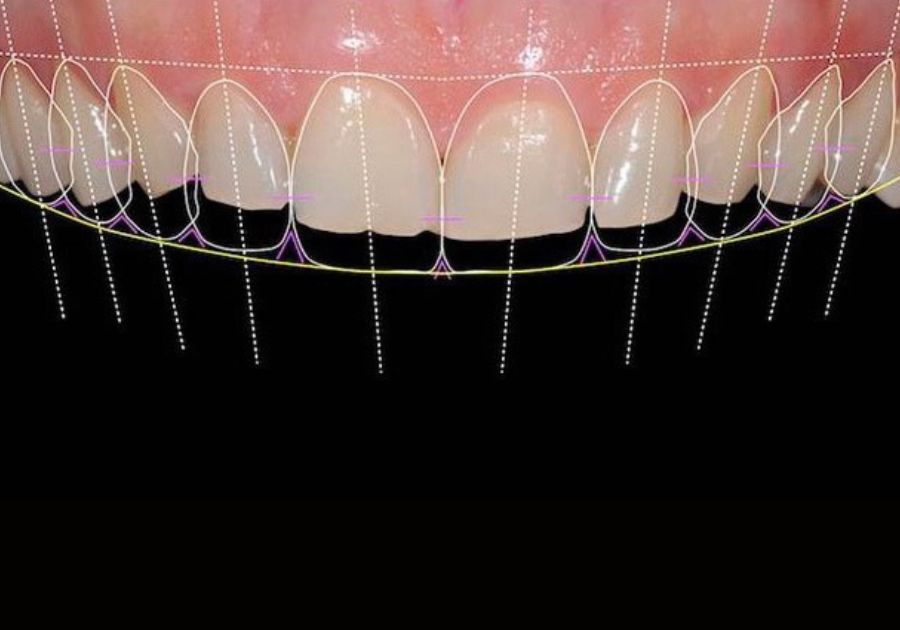 Step 04
After careful planning
Veneers require careful planning because tooth preparation may be needed and some changes can be irreversible. A dentist should explain the proposed design, how much tooth structure may need to be altered, the limitations of the treatment and alternative options.
Common questions
Questions about this treatment
These answers cover common considerations. Your own suitability and treatment plan should be discussed with a dental professional.
Veneers may require tooth preparation that cannot be reversed. They can also need repair or replacement over time, so discuss long-term implications before treatment.
They can change the appearance of selected teeth, but suitability depends on the cause and degree of discolouration and the health of the teeth.
Veneers are custom-made ceramic restorations, while bonding uses resin shaped directly on the tooth. They differ in preparation, maintenance and suitability.
Brush and clean between teeth daily and attend routine dental reviews. Avoid using teeth to bite hard objects, and ask for advice if you grind your teeth.
Need advice for your situation? Ask about suitability, alternatives, aftercare and the likely costs before making a decision.