Composite Bonding
Composite bonding uses tooth-coloured resin to adjust the appearance of selected teeth, such as their shape, edges or small visible imperfections.



Understand the options before deciding on treatment.

A dental assessment helps clarify what is suitable, what the treatment can achieve and what care may be needed afterwards.
Composite bonding in London at Fresh Dental.
Subtle smile changes
Composite bonding uses tooth-coloured resin to adjust the appearance of selected teeth, such as their shape, edges or small visible imperfections.
Bonding can be used for selected cosmetic changes, but the right approach depends on the tooth and the desired result. A dental assessment helps clarify what is suitable, what the treatment can achieve and what care may be needed afterwards.
Composite tooth bonding can usually be carried out in a single visit, with shade selection, bonding, sculpting and polishing completed in careful stages.

Problems bonding can help solve. result.
Selected chips, edges, gaps or shape concerns may suit bonding. Suitability depends on the tooth, bite and the result you want.
 Step 01
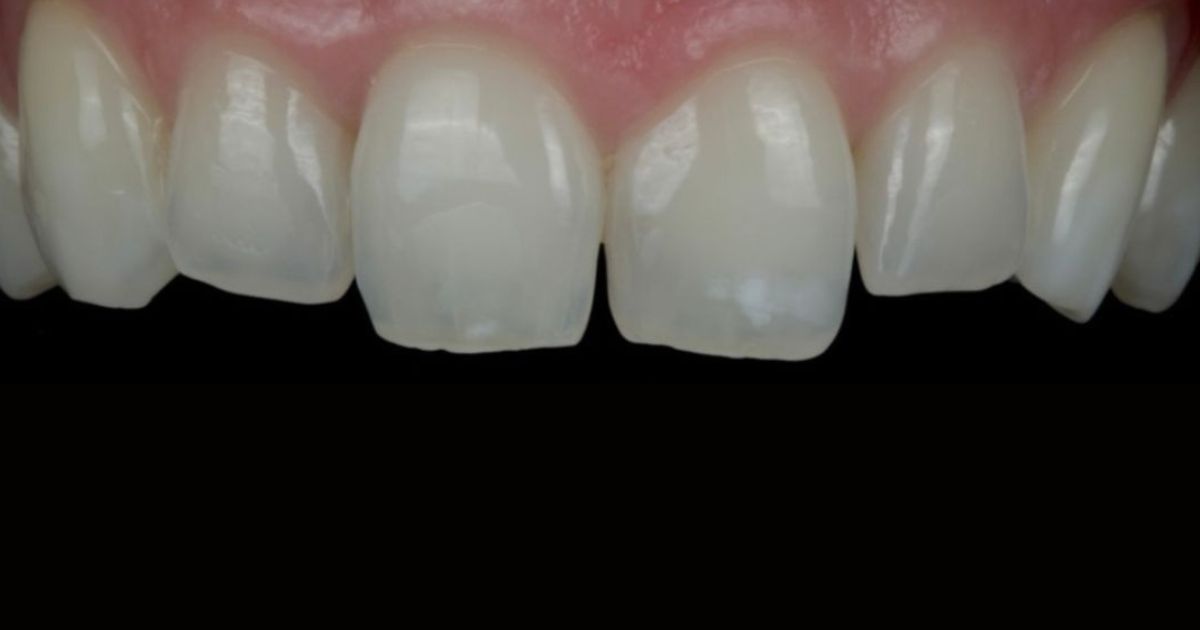
To fix gaps in a smile
It may be suitable for some small gaps, but the best option depends on gap size, tooth proportions and bite. A dental assessment can clarify what is realistic.
 Step 02
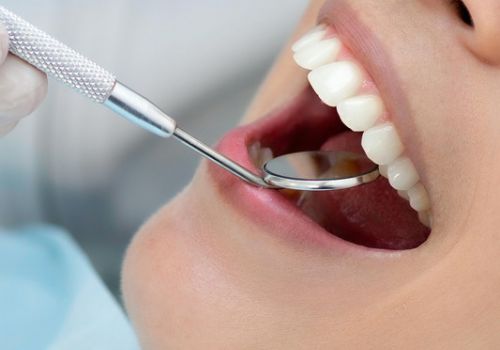
To repair chipped teeth
Composite resin can be shaped to restore the outline of a tooth where a small chip is suitable for this approach.
 Step 03
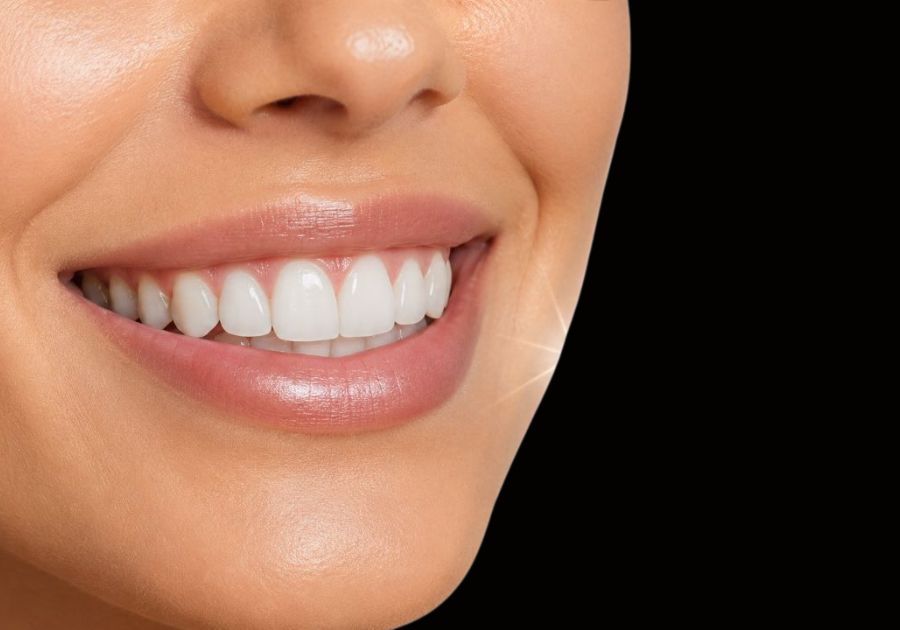
To refine tooth shape
Bonding may add or reshape material to adjust the appearance of tooth edges or create a more balanced outline in suitable cases.
 Step 04
To address small imperfections
For selected visible imperfections where tooth-coloured resin can adjust appearance as part of a planned cosmetic approach.
Common questions
Questions about this treatment
These answers cover common considerations. Your own suitability and treatment plan should be discussed with a dental professional.
Longevity varies with the tooth, bite, material, oral habits and maintenance. Bonding can chip or stain and may need polishing, repair or replacement over time.
It may be suitable for some small gaps, but the best option depends on gap size, tooth proportions and bite. A dental assessment can clarify what is realistic.
The approach varies by case. Discuss whether any tooth preparation is needed and what that means for your tooth before agreeing to treatment.
Yes. Composite resin can stain or chip, especially with certain foods, drinks or habits. Your dental team can advise on care and when repairs may be needed.
Need advice for your situation? Ask about suitability, alternatives, aftercare and the likely costs before making a decision.