Children’s Orthodontics
Children’s orthodontics assesses how teeth and jaws are developing and whether an orthodontic approach may help guide alignment or bite.



Understand the options before deciding on treatment.
A dental assessment helps clarify what is suitable, what the treatment can achieve and what care may be needed afterwards.
Removable Braces
Removable Braces for Kids
At Freshdental, we believe that early orthodontic care can make a remarkable difference in a child’s long-term dental health. Removable braces are a highly effective early treatment option for guiding jaw development, correcting mild alignment concerns, and creating the right foundation for incoming permanent teeth.
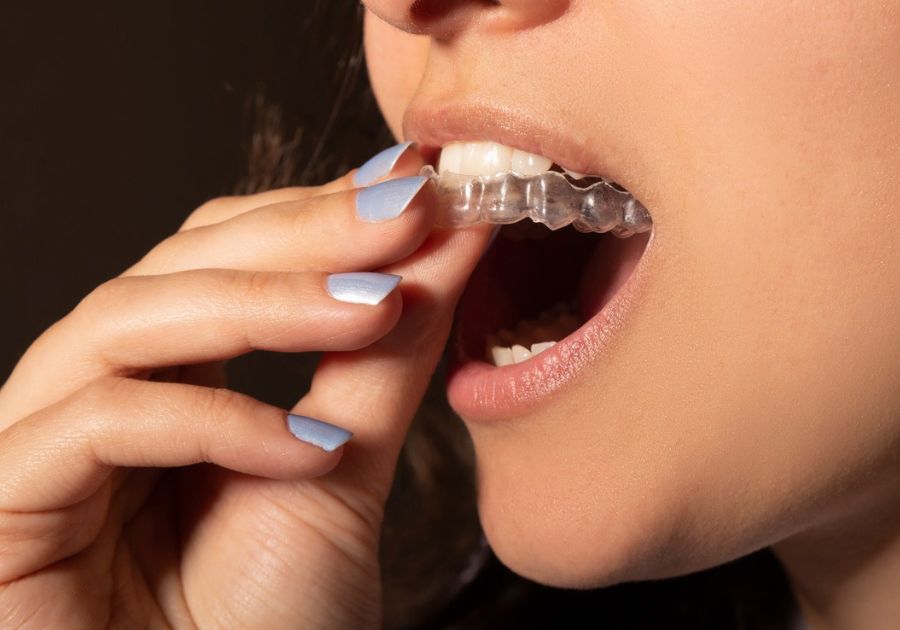
Removable braces are custom-made appliances that children can take in and out. They help guide jaw growth, create space for emerging teeth, and correct early alignment issues before they worsen.
Removable braces are a highly effective early treatment option for guiding jaw development, correcting mild alignment concerns, and creating the right foundation for incoming permanent teeth.
They are custom-made appliances children can take in and out to help guide jaw growth and correct early alignment issues.


Problems children’s orthodontics can help address.
Children with developing bite or alignment concerns. Not every child needs orthodontic treatment; timing depends on growth and the individual case. Where treatment goes ahead, retainers may be advised afterwards.
 Step 01
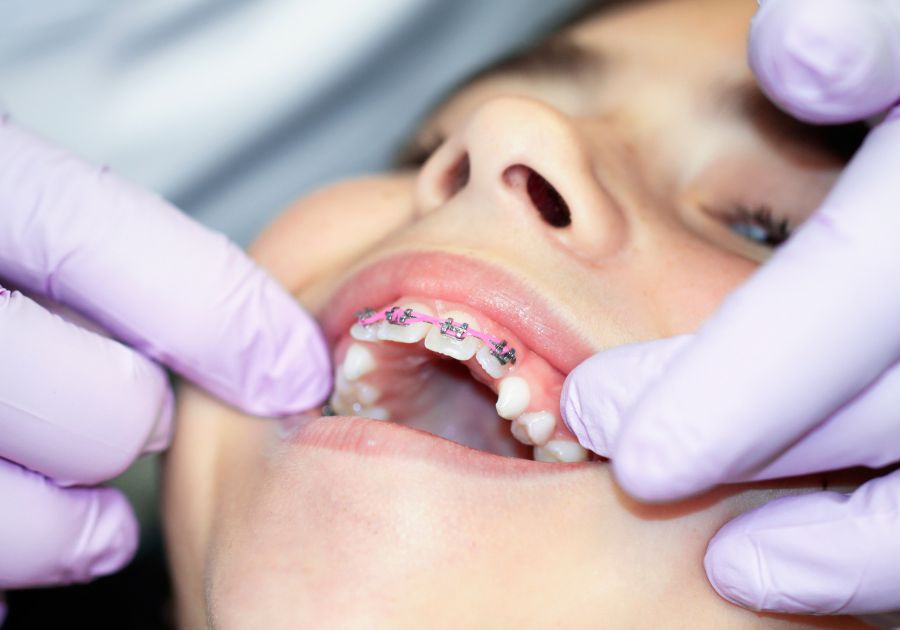
Developing bite concerns
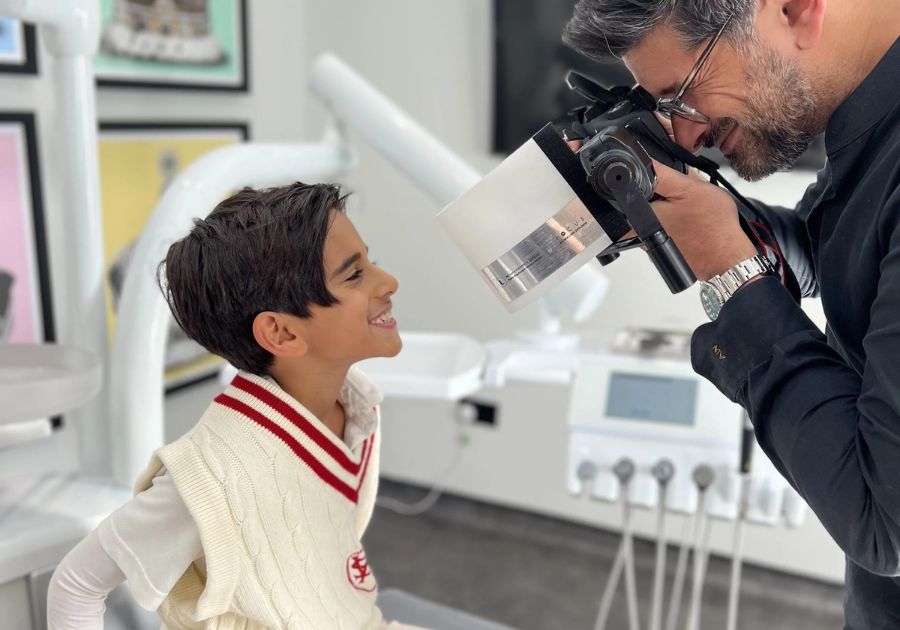
An assessment considers a child’s stage of dental development, bite, oral health and the concern that has prompted the visit.
 Step 02
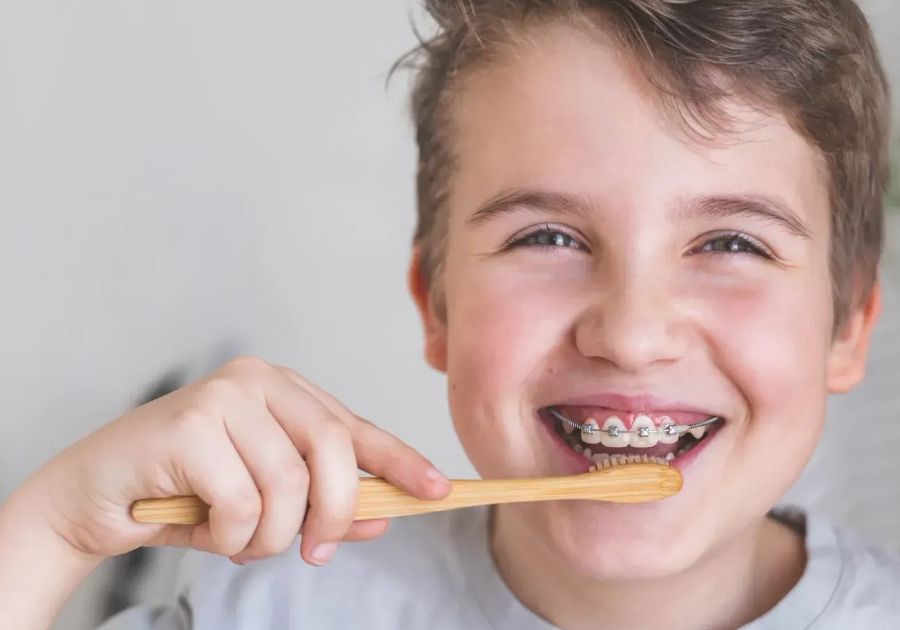
Guiding tooth position
Some approaches are designed to address particular developing bite problems, while others focus on moving teeth into a better position.
 Step 03
When timing matters
Suitability depends on the child’s needs, growth, oral health and ability to follow instructions. The clinician can explain whether treatment may be useful now or later.
 Step 04
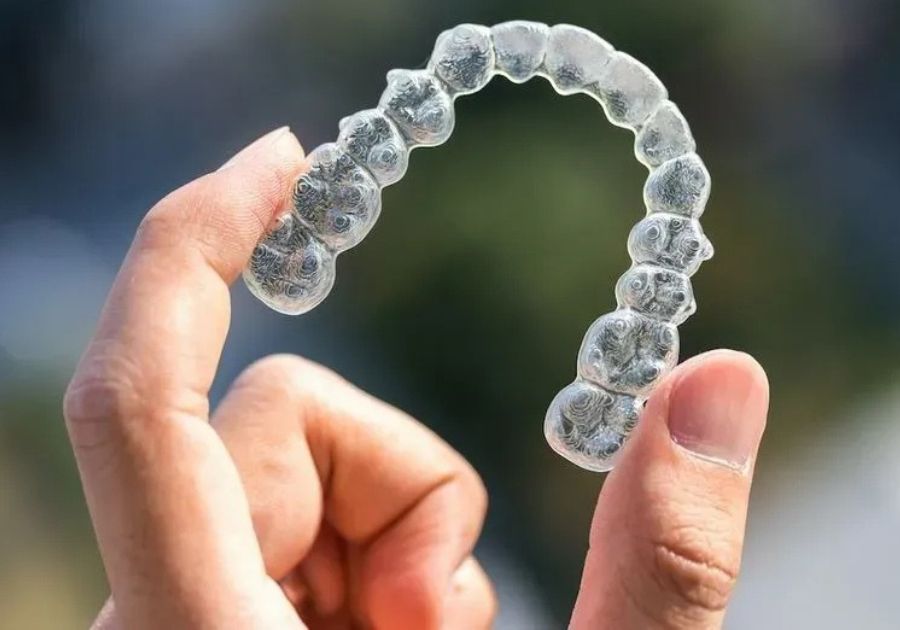
Retention afterwards
Where braces or aligners have been used, retainers may be advised afterwards to help keep teeth in their new position.
Common questions
Questions about this treatment
These answers cover common considerations. Your own suitability and treatment plan should be discussed with a dental professional.
The right time depends on the child’s dental development and concerns. If you notice bite or alignment issues, ask a dental professional whether an assessment is appropriate.
No. Some concerns can be monitored as teeth develop, while others may benefit from treatment. An assessment helps determine the appropriate timing.
Removable appliances can be taken out as instructed, while fixed braces stay attached to the teeth. The choice depends on the problem being treated and the child’s needs.
Teeth can move after active orthodontic treatment. Retainers help maintain the result when worn according to the clinician’s instructions.
Very important. Brackets and appliances can trap food and plaque, so careful brushing and cleaning between teeth help reduce the risk of decay and gum problems.
Need advice for your situation? Ask about suitability, alternatives, aftercare and the likely costs before making a decision.