Teeth Whitening
Teeth whitening can lighten the appearance of natural teeth. A dental assessment helps establish whether whitening is suitable and what result may be realistic.



Understand the options before deciding on treatment.
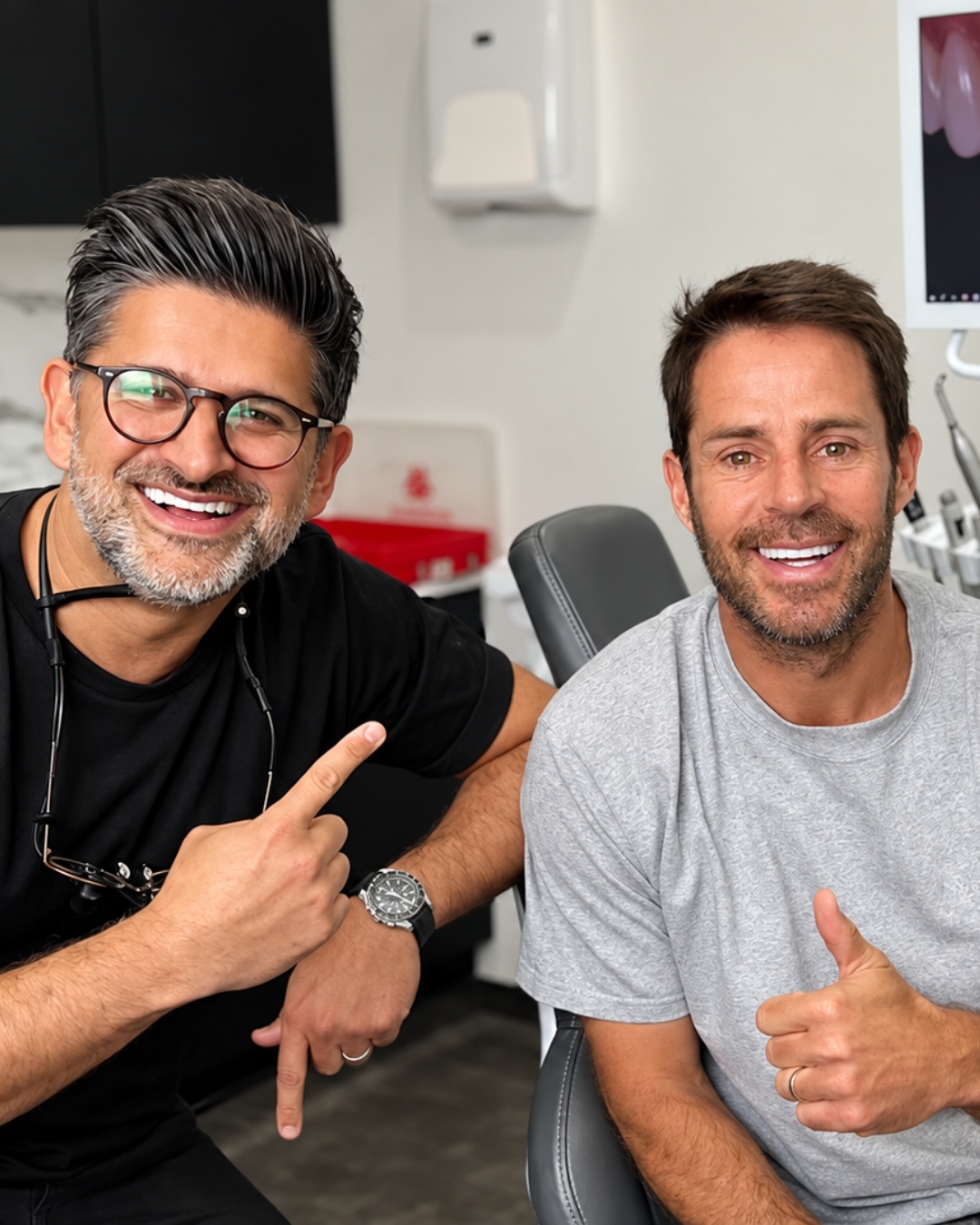
A dental assessment helps clarify what is suitable, what the treatment can achieve and what care may be needed afterwards.
Teeth Whitening in London at Fresh Dental.
A brighter-looking smile
Teeth whitening is a cosmetic dental treatment intended to lighten the colour of natural teeth. Tooth colour can change over time, including through ageing and exposure to strongly coloured food and drinks. Whitening may reduce some discolouration, but the result varies with the starting shade, the cause of staining and the condition of the teeth.
Before whitening, a dentist should assess your teeth and gums and discuss your aims. Existing fillings, crowns and veneers do not whiten in the same way as natural tooth enamel, so their colour may not match after treatment. Whitening is not suitable for every situation, particularly where there are untreated dental problems or sensitivity that needs assessment.
The approach, expected change and aftercare should be discussed before you decide. Follow the instructions provided for any prescribed or dentist-supervised whitening method, and do not exceed the recommended use. Temporary sensitivity or gum irritation can occur. If you have concerns during treatment, stop and seek advice from your dental team.
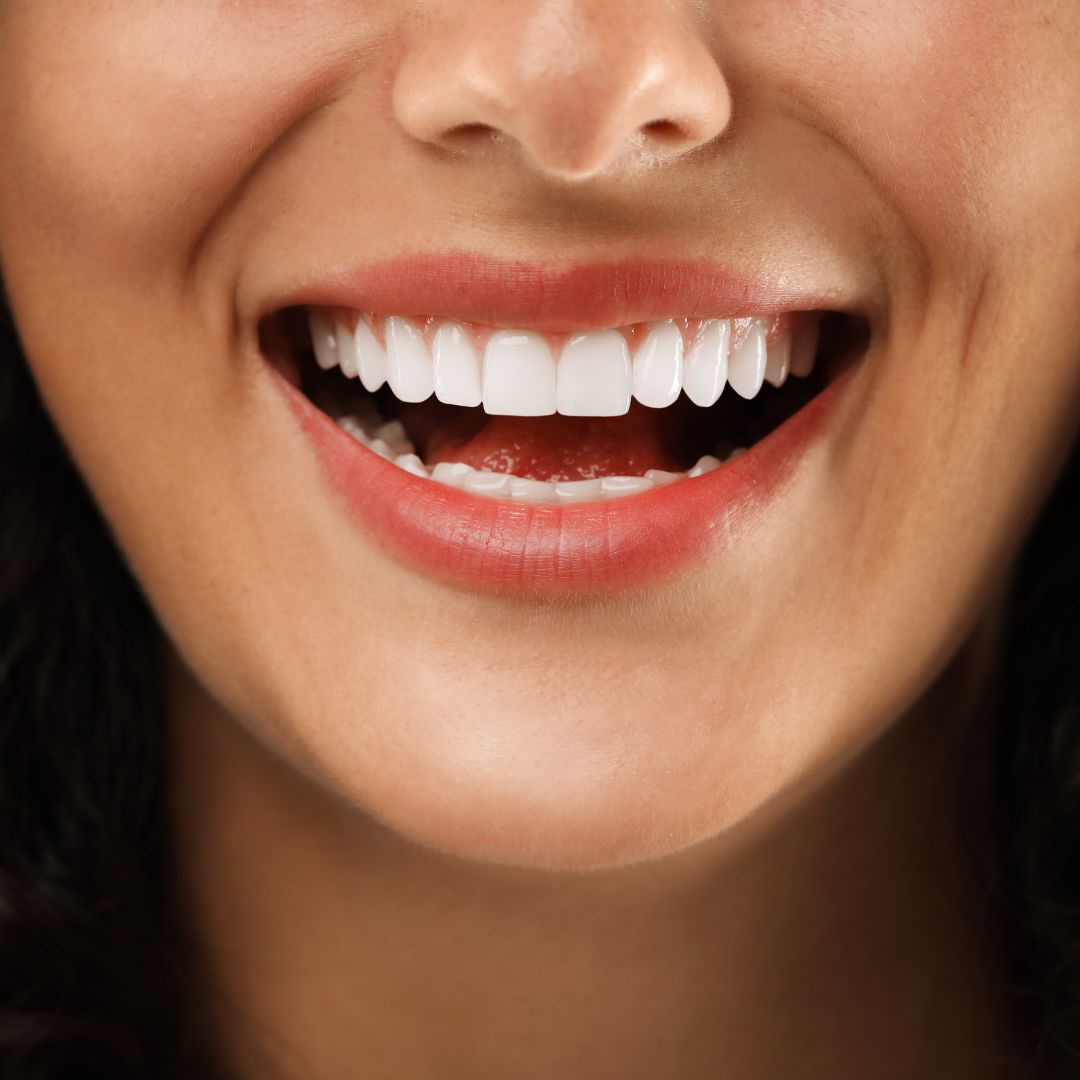
Problems whitening can help address.
People looking to lighten natural tooth colour. Suitability depends on oral health, the cause of discolouration and whether existing restorations would no longer match.
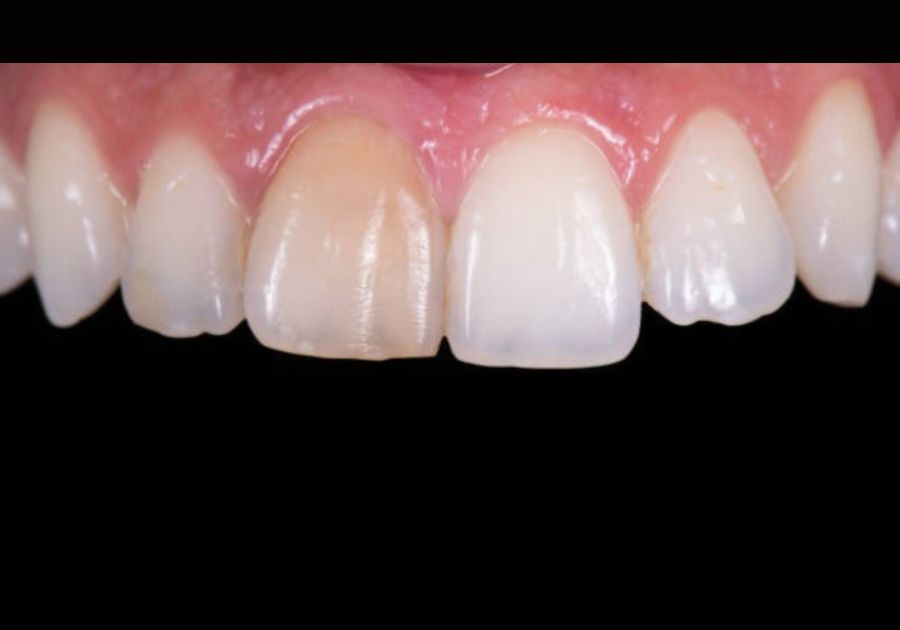 Step 01
Natural tooth discolouration
Tooth colour can change over time, including through ageing and exposure to strongly coloured food and drinks. Whitening may reduce some discolouration, but the result varies with the starting shade and the condition of the teeth.
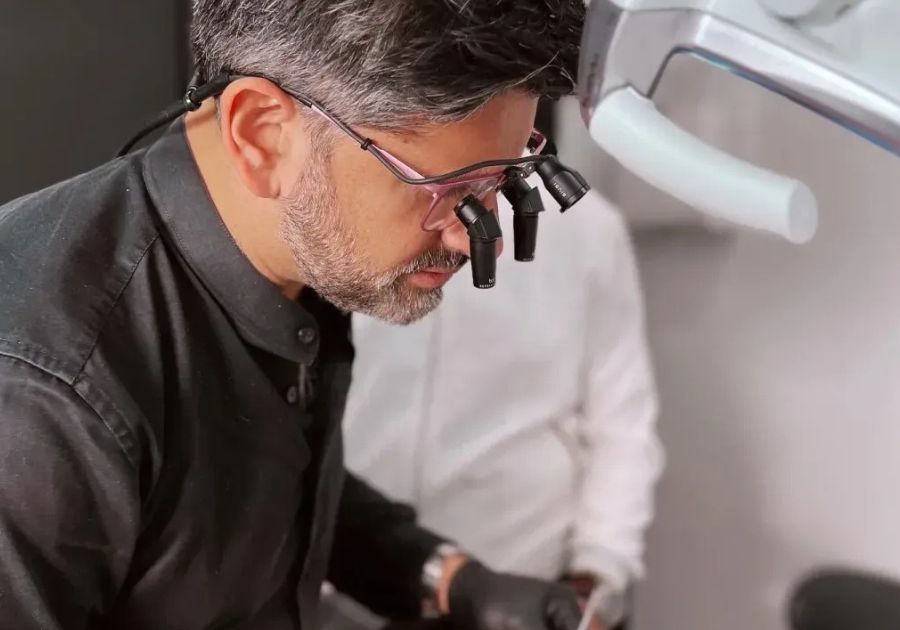 Step 02
Prefer a supervised approach
A dentist assesses your oral health and explains a suitable whitening approach and how to use it safely before you decide.
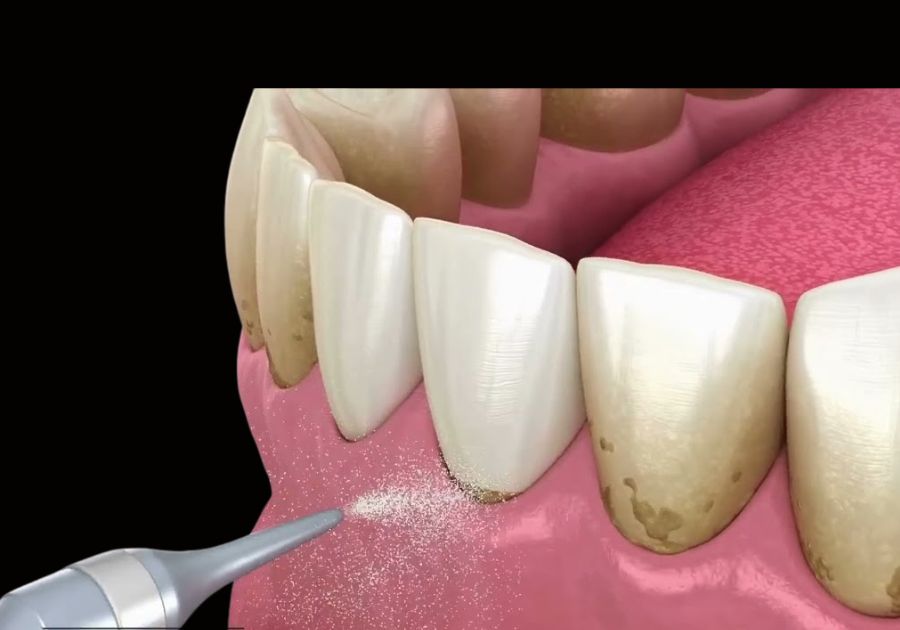 Step 03
External surface staining
A hygiene appointment may help remove external deposits, although cleaning does not change the natural colour of teeth.
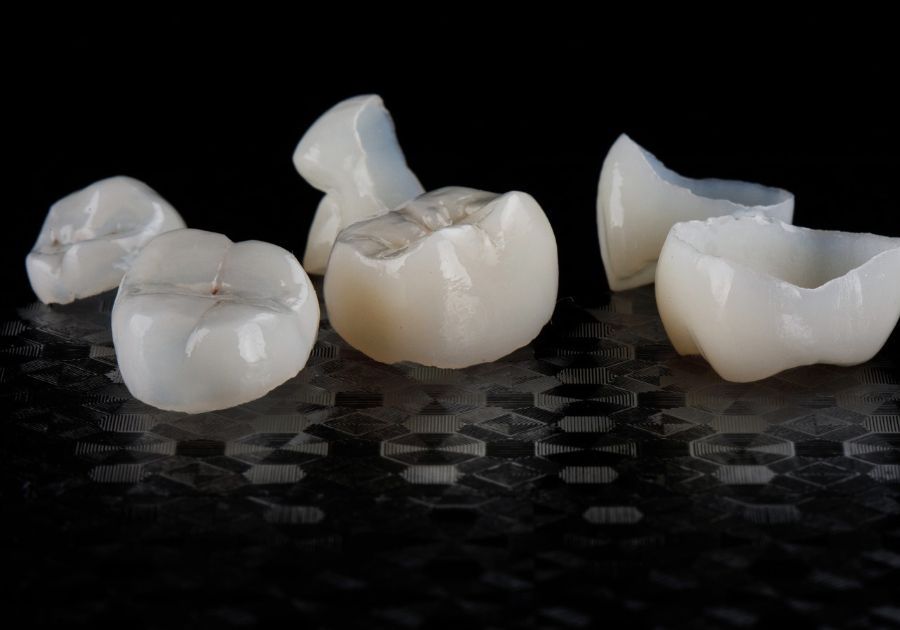 Step 04
After an assessment
Whitening is not suitable for every situation, particularly where there are untreated dental problems or sensitivity that needs assessment. Existing fillings, crowns and veneers do not whiten in the same way as natural tooth enamel.
Common questions
Questions about this treatment
These answers cover common considerations. Your own suitability and treatment plan should be discussed with a dental professional.
Whitening products do not lighten crowns, veneers or fillings in the same way as natural teeth. Existing restorations may therefore look different from the surrounding teeth after whitening.
Temporary tooth sensitivity or gum irritation can occur. Discuss any existing sensitivity with a dentist before treatment and follow the instructions provided.
Results vary depending on your natural shade, the cause of discolouration and the method used. A dentist can explain what may be realistic for your teeth.
No. Your teeth and gums should be assessed first. Any untreated problems or other factors affecting suitability should be addressed before whitening.
Need advice for your situation? Ask about suitability, alternatives, aftercare and the likely costs before making a decision.