General Dentistry
Routine dental care helps monitor your teeth and gums, identify concerns early and plan treatment when it is needed.



Understand the options before deciding on treatment.

A dental assessment helps clarify what is suitable, what the treatment can achieve and what care may be needed afterwards.
General Dentistry in London at Fresh Dental.
Everyday oral health
General dentistry covers the ongoing care of your teeth, gums and mouth. Regular dental examinations allow a dentist to check for signs of decay, gum disease, wear and other changes. The frequency of visits should reflect your individual oral health and risk of developing problems.
Depending on your needs, care may include an examination, preventive advice, dental hygiene support or treatment for issues such as tooth decay. Your dentist may discuss options and explain the benefits, limitations and likely next steps before treatment begins. If further investigation is needed, this should be explained to you.
Good daily habits remain important between appointments. Brush twice daily with fluoride toothpaste, clean between your teeth and seek dental advice if you notice pain, swelling, bleeding gums or a change in your mouth. Early assessment can help establish the cause and whether treatment is required.

Problems general dentistry can help address.
Routine checks and common dental concerns. The frequency of visits should reflect your individual oral health and risk of developing problems.
 Step 01
Routine monitoring
Regular dental examinations allow a dentist to check for signs of decay, gum disease, wear and other changes.
 Step 02
Teeth and gums
An in-depth examination of your teeth and gums, with assessment of the soft tissues in your mouth.
 Step 03
Common dental problems
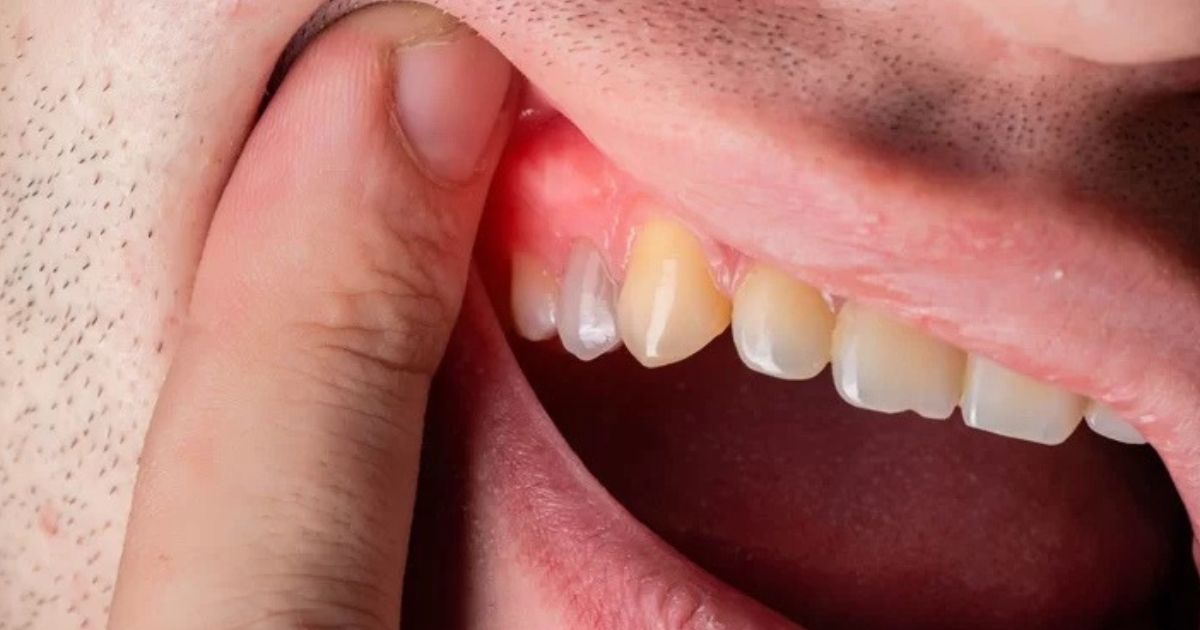
Seek dental advice if you notice pain, swelling, bleeding gums or a change in your mouth. Early assessment can help establish the cause and whether treatment is required.
 Step 04
When a plan is needed
A treatment plan if further treatment is needed. Mouth cancer screening for early detection may form part of the examination.
Common questions
Questions about this treatment
These answers cover common considerations. Your own suitability and treatment plan should be discussed with a dental professional.
There is no single interval that suits everyone. Your dentist can recommend a review schedule based on your oral health and risk factors.
The dentist examines your teeth, gums and mouth, asks about concerns and explains any findings or recommended next steps.
Seek dental advice rather than waiting for a routine appointment, especially if pain is worsening or accompanied by swelling or fever.
Yes. Examinations, preventive advice and suitable cleaning can help identify risks and support daily care, although they cannot guarantee that problems will never develop.
Need advice for your situation? Ask about suitability, alternatives, aftercare and the likely costs before making a decision.